Centre denies rumours of fuel price hike, urges people not to panic
Government says no plan to raise petrol and diesel prices after elections
The Central government has said there is no plan to increase petrol and diesel prices after the conclusion of assembly elections. The statement comes after rumours spread in several states that fuel prices would rise once polling ended, leading to panic buying at many petrol pumps.
Officials said current fuel prices remain unchanged and there is no proposal under consideration for an immediate hike. The clarification was issued after speculation grew that oil companies might revise rates because of rising global crude oil prices and pressure on state-run fuel retailers.
Retail petrol and diesel prices in India have remained largely unchanged for several years. During that time, international crude oil prices have moved up and down sharply. In recent weeks, prices in the global market rose again because of tensions and conflict in West Asia.
This increase created fresh concern among consumers that domestic fuel prices would soon go up. However, the government has now publicly denied such reports.
Officials said the country has enough stocks of petrol, diesel, LPG, and aviation fuel to meet demand. They also asked people not to believe rumours or rush to buy extra fuel.
The statement was welcomed by consumers who were worried about a possible increase in transport costs and household expenses. Fuel prices affect not only vehicle owners but also food prices, delivery charges, and inflation across the economy.
Panic buying after rumours spread
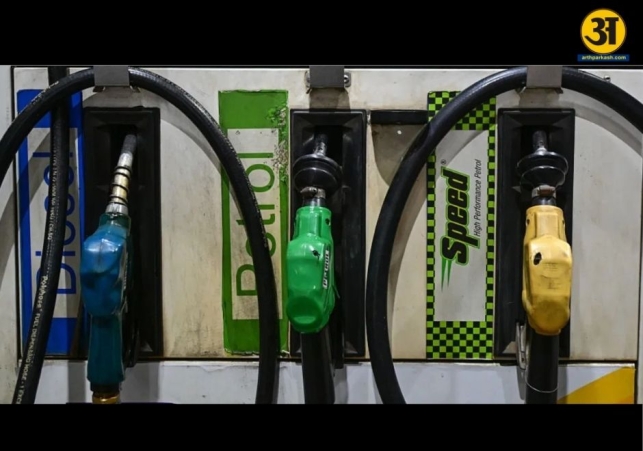
In some areas, especially parts of Andhra Pradesh and other states, rumours of an immediate fuel price hike led to panic buying. Reports suggested long lines formed at petrol pumps as people rushed to fill tanks before any expected increase.
Some outlets reportedly saw demand jump sharply in a short period. In a few places, pumps temporarily ran dry because normal supply levels were not designed for sudden panic purchases.
Government officials said they were in touch with state authorities and fuel companies to monitor the situation. Supplies were prioritised to pumps facing heavy demand so that shortages could be avoided.
Officials stressed that there was no reason for panic. They said enough inventory was available and fuel distribution networks were functioning normally.
The government also warned that false rumours can create unnecessary inconvenience for the public. When people rush to buy fuel without need, it causes traffic congestion, long waiting times, and temporary shortages.
Experts note that panic buying often becomes a self-fulfilling problem. If many people buy extra fuel at once, local supply pressure rises even when there is no real shortage.
That is why authorities urged citizens to trust official information rather than social media rumours or local speculation.
Why fuel prices matter so much
Petrol and diesel prices are highly sensitive public issues in India because they affect millions of households daily.
Petrol impacts private vehicle users, two-wheeler owners, taxi services, and commuters. Diesel is even more important because it powers trucks, buses, farm equipment, generators, and many goods transport systems.
When diesel becomes expensive, transport costs rise. That often increases prices of vegetables, grains, construction materials, and other everyday goods.
Because of this chain effect, any possible fuel hike quickly becomes national news.
Pressure from global crude oil prices
Although domestic retail prices have stayed stable, international oil prices continue to influence the fuel sector. India imports a large share of its crude oil needs, so global market movements matter significantly.
Recent conflict in West Asia pushed crude prices higher. Since the region is one of the world’s most important energy-producing areas, any geopolitical tension can disrupt supply or create fear of disruption. That usually pushes prices upward.
Oil marketing companies then face a challenge. If they keep pump prices unchanged while crude becomes costlier, their profit margins can shrink or turn into losses.
Reports had suggested that state-run fuel retailers were under financial pressure because they were selling petrol and diesel below market-linked levels. This led to speculation that a price increase might come after elections.
However, the government’s latest statement indicates no immediate hike is planned.
Elections and fuel price speculation
Fuel price changes often attract extra political attention during election periods. Because prices directly affect voters, rumours frequently spread that revisions are delayed until voting ends.
That is one reason speculation increased ahead of the conclusion of assembly polls. But the government has clearly rejected claims of a post-election hike.
Officials said no such proposal exists at present.
What happens next?
Even though there is no announced increase now, future fuel pricing will still depend on several factors:
-
Global crude oil trends
-
Exchange rate movements
-
Taxes by central and state governments
-
Refining and transport costs
-
Broader economic conditions
If crude prices fall, pressure on retailers may ease. If prices stay high for a long period, policymakers may need to review the situation later.
For now, consumers can expect existing petrol and diesel prices to continue unless an official revision is announced.
Relief for households and businesses
The government’s statement offers relief at a time when many families are already managing higher living costs. Stable fuel prices help households budget monthly expenses and support businesses dependent on transport.
Taxi drivers, delivery workers, farmers, small traders, and logistics operators are among those most affected by sudden fuel price movements. For them, stability can be just as important as low prices.
Message from authorities
The government’s main message was simple: there is no current plan to raise petrol or diesel prices, and people should not engage in panic buying.
Authorities said the country has sufficient supplies and the fuel distribution system is being closely monitored.
For millions of consumers worried by rumours, that assurance comes as welcome news.
At least for now, motorists and households can breathe easier knowing no immediate fuel price increase has been announced.
Related News